
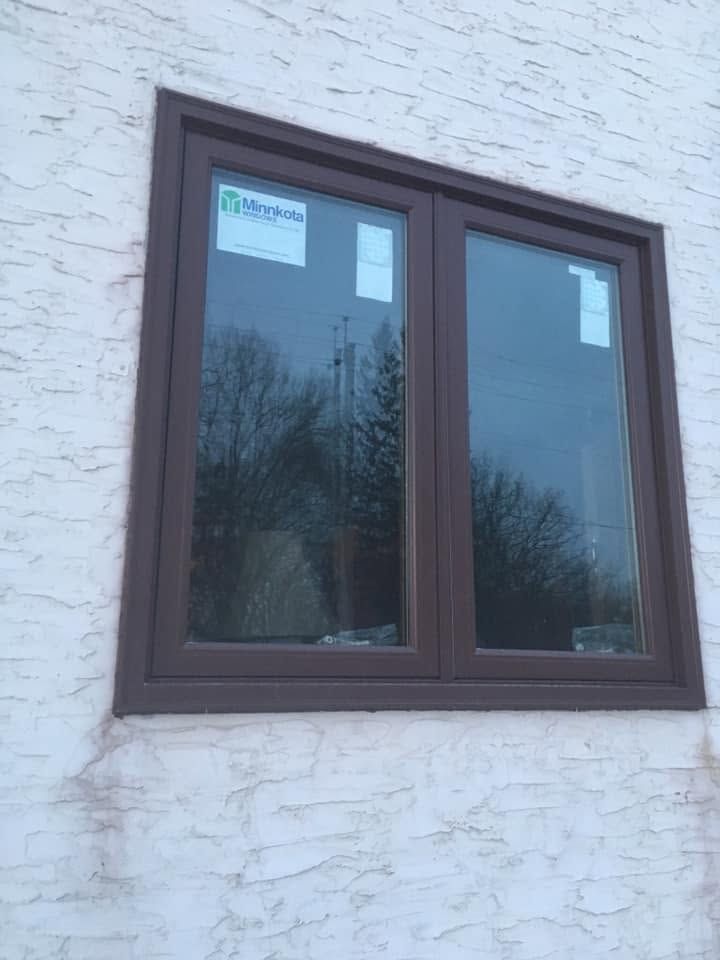
Performance That Handles Temperature Extremes
Window Installation in Isanti and surrounding areas for drafty frames, condensation buildup, and rising energy costs
Condensation forms on interior glass surfaces when single-pane windows or failing seals allow cold exterior temperatures to reach the inside pane, creating a temperature differential that pulls moisture from indoor air. That moisture collects, runs down to the sill, and over time causes wood rot, paint failure, and mold growth in surrounding drywall. Home Repair Inc. handles window installation in Isanti for homeowners replacing units that no longer prevent heat transfer or seal out moisture infiltration.
Installation begins with measuring rough openings to account for framing irregularities, then selecting window products rated for Minnesota's temperature range and wind load requirements. Proper installation requires flashing the sill pan before setting the unit, shimming the frame to maintain square and level alignment, insulating gaps without over-compressing foam that can bow the frame, and sealing the exterior with materials that remain flexible through seasonal expansion cycles.
Request a consultation to review window options based on your home's framing type and energy performance goals in Princeton, Isanti, Minneapolis, and neighboring communities.
How Window Installation Addresses Heat Loss
Windows designed for cold climates use low-emissivity coatings on glass surfaces to reflect interior heat back into the room while allowing visible light to pass through, and gas fills between panes slow convective heat transfer that single-pane units cannot prevent. Frame materials also matter—vinyl and fiberglass frames insulate better than aluminum, which conducts heat and cold directly through the frame itself. Proper installation ensures the window unit performs as rated by eliminating air gaps where the frame meets the rough opening.
After installation, you no longer feel cold air movement near windows when standing close during winter, interior glass surfaces stay warm enough that condensation stops forming, and rooms maintain more consistent temperatures without the furnace running as frequently. Windows operate smoothly without binding, locks engage fully, and exterior trim sheds water away from the sill instead of allowing it to pool against the frame.
Installation also includes removing old units without damaging surrounding trim or siding, verifying that rough openings are square and properly flashed, and finishing interior and exterior trim to match existing profiles. Financing options make larger replacement projects manageable when multiple windows need upgrading at once to achieve noticeable energy savings.
What Property Owners Usually Ask
Homeowners considering window replacement often ask about performance ratings, installation timelines, and what determines whether existing frames can be reused or need complete replacement.
What window performance ratings matter most for Isanti's climate?
U-factor measures heat transfer through the entire window assembly, and units rated 0.30 or lower significantly reduce heat loss compared to older windows typically rated above 0.50, while Solar Heat Gain Coefficient affects cooling costs but matters less in heating-dominated climates.
How long does window installation take for a typical replacement project?
Single window replacements usually take two to three hours including trim work, while whole-house projects are scheduled over several days to complete all units, finish interior and exterior trim, and allow sealants to cure properly before painting.
When should windows be replaced rather than repaired?
Replacement becomes necessary when glass seals have failed and condensation forms between panes, when frames show rot or severe weather damage, or when existing single-pane units lack the insulation value needed to prevent ice buildup and excessive heat loss.
What happens to interior trim during window replacement?
Existing interior trim is carefully removed and reinstalled when possible, but trim damaged during removal or incompatible with new window dimensions requires replacement to maintain proper reveal and seal against the window frame.
How do new windows change heating costs during Minnesota winters?
Replacing single-pane or failed double-pane windows with low-E, argon-filled units typically reduces heating costs by fifteen to twenty-five percent depending on how much total window area exists and how much runtime the furnace required to compensate for heat loss through old windows.
Home Repair Inc. installs window products selected for cold-climate performance and follows installation protocols that prevent air leakage and moisture intrusion. Arrange a consultation to review product options and receive detailed estimates based on your home's specific window sizes and framing conditions.