
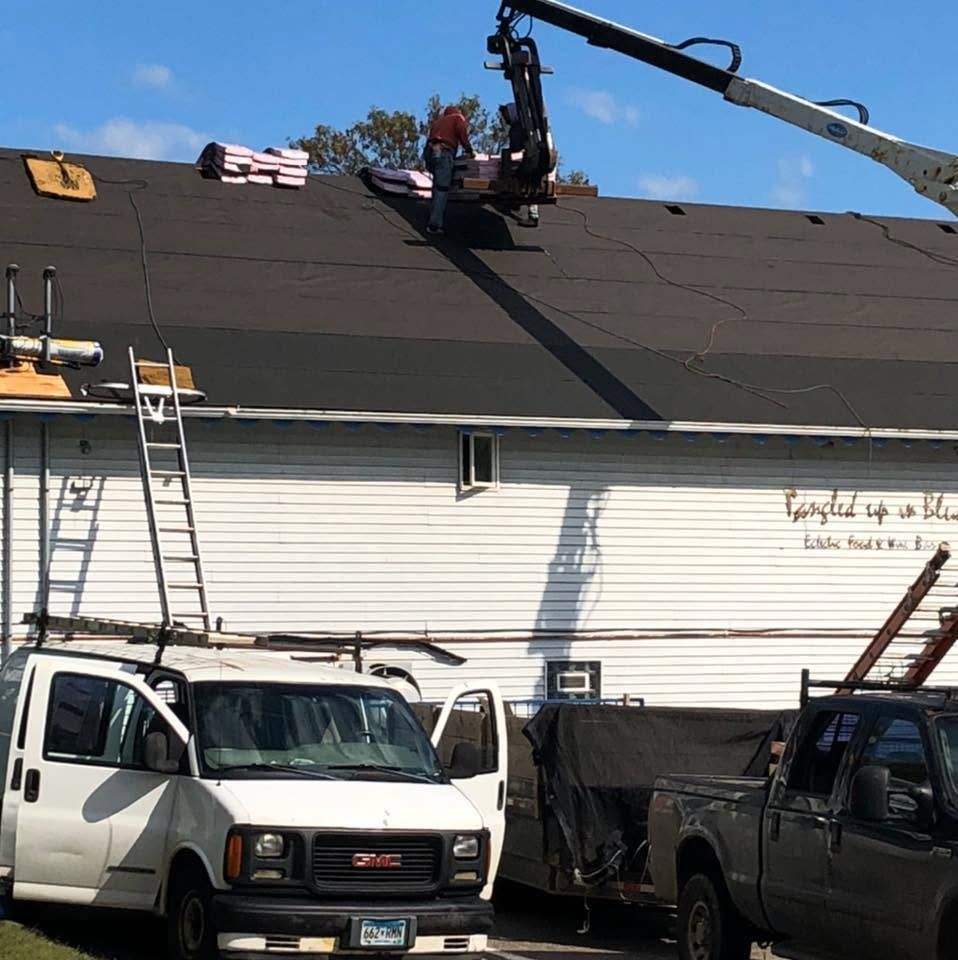
Roofing Systems Designed for Snow Load and Ice
Roof Installation in Isanti and surrounding areas for new construction, additions, and replacement builds requiring complete roofing systems
Minnesota roofs support months of snow accumulation, endure freeze-thaw cycles that stress fasteners and seals, and face winds that test every shingle tab and flashing detail. Home Repair Inc. installs roofing systems in Isanti designed to handle these conditions from the decking up, using underlayment, ventilation, and materials that account for how ice dams form and how temperature swings affect different roofing components. Whether you're building an addition, constructing a new home, or replacing a structure down to the framing, roof installation involves layers that work together to shed water, resist wind uplift, and allow moisture to escape.
Installation includes fastening decking to rafters or trusses, applying underlayment that seals around fasteners, installing drip edge and flashing before shingles go down, and ensuring ventilation balances intake at soffits with exhaust at the ridge. Each step follows a sequence that prevents water from reaching sheathing and allows the roof to breathe, reducing the heat buildup that accelerates shingle aging.
Schedule a roofing consultation to review how your project's design and material choices affect long-term performance in Elk River, Isanti, Forest Lake, and surrounding areas.
What Proper Installation Requires
Roof installation begins with confirming that framing is square, flat, and spaced correctly to support decking without sagging. Underlayment is rolled out with overlaps that shed water downslope, and ice-and-water barrier is applied along eaves and valleys where ice dams concentrate. Flashing around chimneys, vents, and walls is integrated into the shingle layers so that water flows over the flashing, not behind it.
Once the roof is complete, you notice that attic temperatures stay more consistent, ice dams no longer form along eaves, and shingles remain flat without lifting at edges during windstorms. Proper ventilation prevents condensation from forming on the underside of decking during winter, which otherwise leads to mold and rot that compromise the roof structure over time.
Roof installation also includes selecting shingle weights and ratings appropriate for Minnesota wind zones and ensuring that fastener placement meets manufacturer specifications. Financing options help homeowners budget for larger installations, spreading costs across manageable payments while work proceeds on schedule.
Common Questions About This Service
Homeowners planning roof installations want to understand material options, how weather affects installation, and what determines how long a new roof lasts in Minnesota conditions.
What roofing materials handle Minnesota weather best?
Asphalt shingles rated for high wind and impact resistance perform well, especially architectural shingles with heavier weight and better granule adhesion. Metal roofing sheds snow effectively and lasts longer but costs more upfront. The choice depends on budget, aesthetic preferences, and how long you plan to own the property.
How does ventilation prevent ice dams?
Proper ventilation keeps attic temperatures close to outdoor temperatures, preventing snow on the roof from melting and refreezing at eaves. Intake vents at soffits and exhaust vents at the ridge create airflow that removes heat and moisture, reducing the conditions that cause ice dams to form.
What happens during a roof installation?
Crews remove old roofing if present, inspect and repair decking as needed, apply underlayment and flashing, then install shingles starting at eaves and working upward. The process generates noise from fastening and material handling, and debris is removed daily to keep the site safe. Most residential roofs are completed within several days depending on size and complexity.
When is the best time to install a roof in Isanti?
Late spring through early fall offers the most stable weather, with temperatures that allow shingles to seal properly and minimal risk of rain delays. Winter installations are possible but slower and riskier due to ice, snow, and shorter daylight hours that limit productivity.
How long does a new roof last?
Asphalt shingles typically last 20 to 30 years in Minnesota, depending on shingle quality, installation accuracy, ventilation, and maintenance. Metal roofs can last 40 to 60 years. Lifespan shortens if underlayment fails, ventilation is inadequate, or fasteners are placed incorrectly during installation.
Home Repair Inc. installs roofing systems throughout Isanti that account for snow load, wind, and the seasonal temperature swings that stress every roofing component. Request a consultation to discuss material options, ventilation requirements, and financing that fits your project timeline.