
Preventing Water Damage Before It Reaches Interiors
Ice Dam Removal in Isanti and surrounding areas for roof leaks, gutter damage, and recurring ice buildup
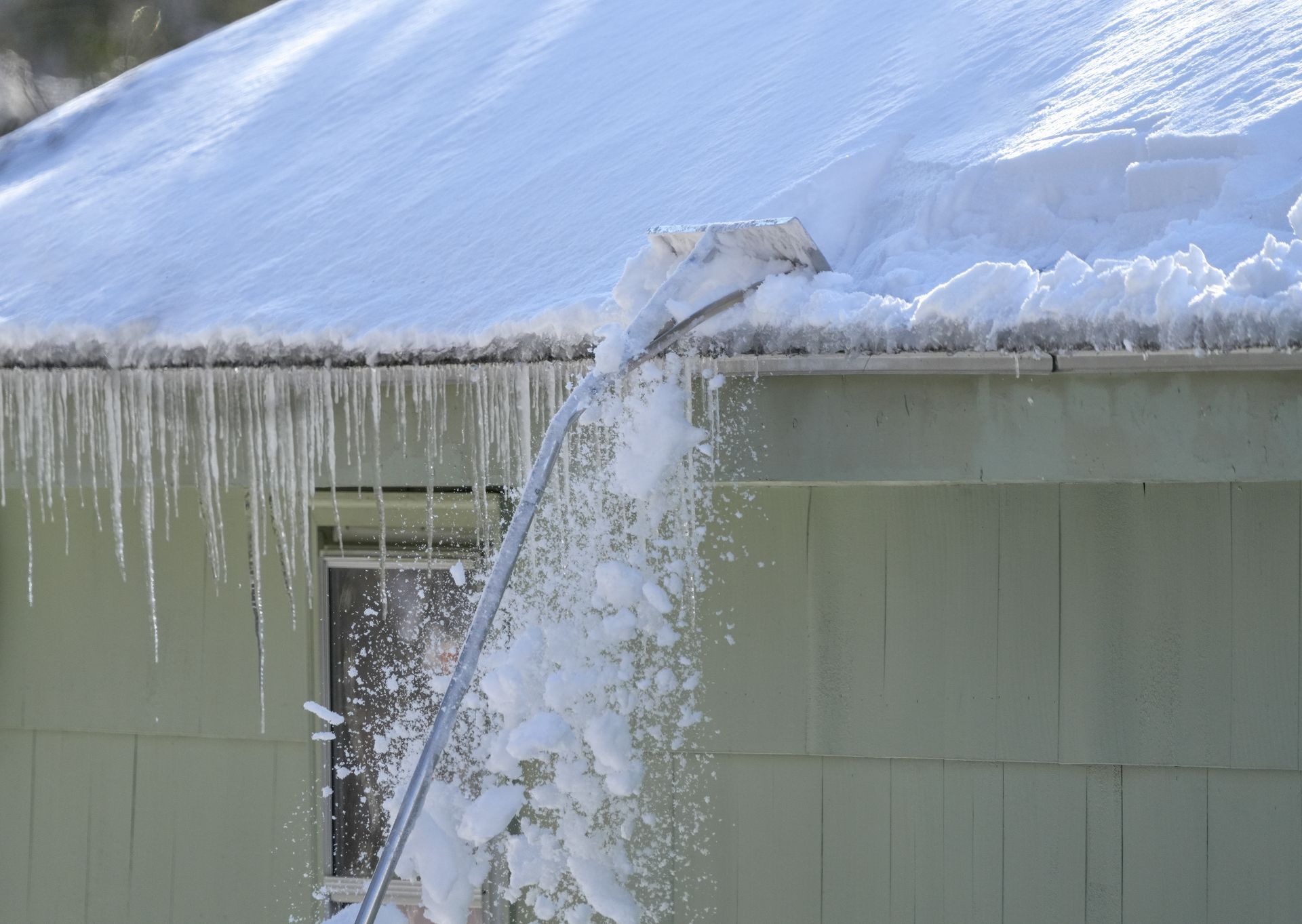
Ice dams form when heat escaping through the roof deck melts snow on upper roof sections, and that meltwater runs downward until it reaches the colder eave overhang where it refreezes into a ridge of ice. As the ice ridge grows, it blocks additional meltwater from draining off the roof, forcing water to back up under shingles and eventually seep through roof decking into attic insulation and interior ceiling spaces. Home Repair Inc. provides ice dam removal in Isanti when property owners notice icicles larger than a few inches forming along eaves, water stains appearing on interior ceilings near exterior walls, or sagging gutters pulled away from fascia boards by ice weight.
Removal involves carefully breaking apart ice formations without damaging shingles or flashing underneath, clearing gutters and downspouts of compacted ice, and creating drainage channels so trapped water can exit the roof immediately. Steam equipment melts ice more safely than chipping tools that can puncture shingles or tear off granules, especially when ice has bonded directly to roofing materials through multiple freeze-thaw cycles.
Contact our team at the first sign of ice dam formation to prevent water intrusion into attic spaces and interior walls in Elk River, Isanti, North Branch, and neighboring communities.
What Changes After Ice Dam Removal
Removal eliminates the ice barrier allowing trapped water to drain off the roof, which stops active leaking into interior spaces and prevents additional water from saturating insulation or running down inside wall cavities. Gutters return to their proper position once ice weight is removed, and drainage resumes through downspouts instead of overflowing at connection points or seeping behind fascia boards. The immediate goal is stopping water infiltration that causes ceiling stains, insulation damage, and potential mold growth in enclosed spaces where moisture cannot dry quickly.
After removal, you no longer see water stains expanding on ceilings, icicles stop growing along eaves, and gutters hang properly without sagging sections. The roof edge remains clear so additional snowmelt drains directly into gutters rather than refreezing into new ice formations. Interior humidity levels stabilize once wet insulation and building materials begin drying out, and the musty odor that accompanies trapped moisture starts dissipating from affected rooms.
Preventative inspections help identify why ice dams form repeatedly on specific roof sections—often due to insufficient attic insulation, gaps in air sealing that allow heated air into attic spaces, or inadequate ventilation that prevents cold air from flowing across the underside of the roof deck. Addressing those underlying causes reduces the likelihood of ice dam formation during subsequent winters.
Common Questions About This Service
Homeowners facing ice dam problems want to know what causes recurring issues, how quickly removal can happen during severe weather, and what gets damaged when ice dams remain in place too long.
What causes ice dams to form on some roofs but not others during the same winter?
Homes with inadequate attic insulation or air leaks around recessed lights, plumbing penetrations, and attic hatches allow enough heat into attic spaces to warm the roof deck above freezing, while properly insulated and ventilated attics stay cold enough that snow does not melt until outdoor temperatures rise.
How quickly can ice dams be removed once service is requested in Isanti?
Response times during active winter storms depend on service demand and weather conditions, but emergency removal typically begins within twenty-four to forty-eight hours to minimize water damage once interior leaking starts.
When should removal happen rather than waiting for spring temperatures to melt the ice naturally?
Immediate removal becomes necessary when water stains appear on interior ceilings, when gutters sag visibly under ice weight risking detachment from fascia, or when ice formations grow thick enough to lift shingle edges allowing direct water entry underneath.
What long-term damage occurs if ice dams are left in place throughout winter?
Prolonged water exposure saturates attic insulation reducing its effectiveness permanently, rots roof decking and fascia boards, promotes mold growth on framing lumber and drywall, and causes paint failure on interior ceilings where moisture penetrates through multiple layers.
How do Minnesota winters make ice dam formation more likely compared to milder climates?
Extended periods of below-freezing temperatures combined with heavy snowfall create conditions where snow accumulates on roofs faster than it can melt, and any heat escaping through the roof deck creates persistent melting and refreezing cycles that build substantial ice formations over weeks rather than days.
Home Repair Inc. responds promptly during severe winter conditions to remove ice formations and protect roofing systems, gutters, and interior spaces from water damage. Schedule emergency service when ice buildup becomes visible along eaves or when interior leaking begins.